Battery Storage

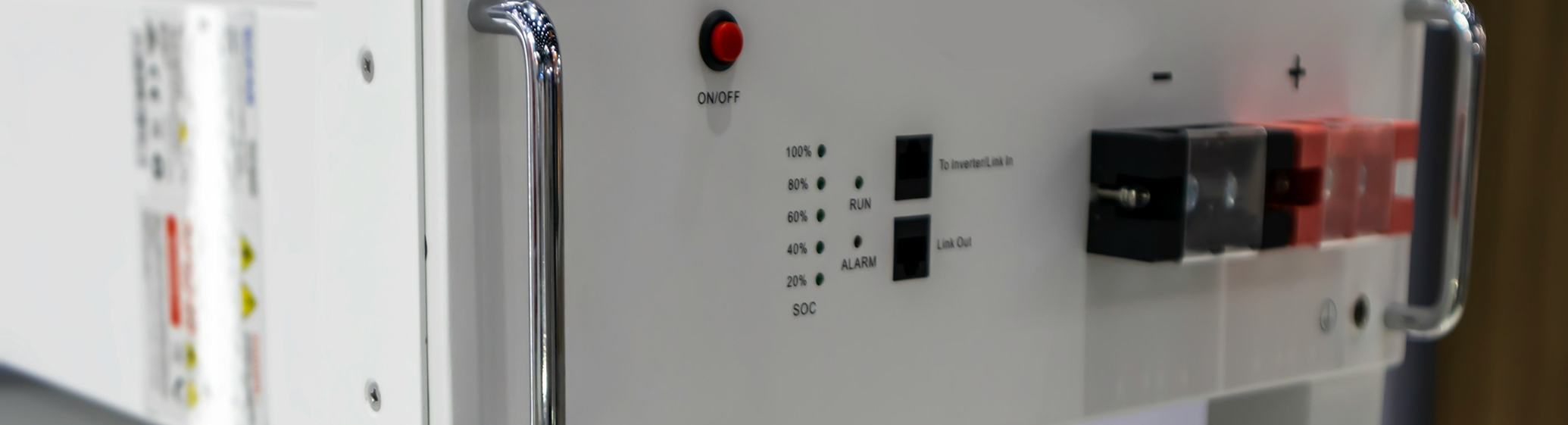
Battery storage is a way to store electricity so it can be used later, when it is needed most. Many people already use battery storage every day—phones, laptops, and other devices rely on batteries to hold power until it is needed. Large-scale battery storage works on the same basic idea, but on a much bigger scale to support the electric grid.

What Is Battery Storage?

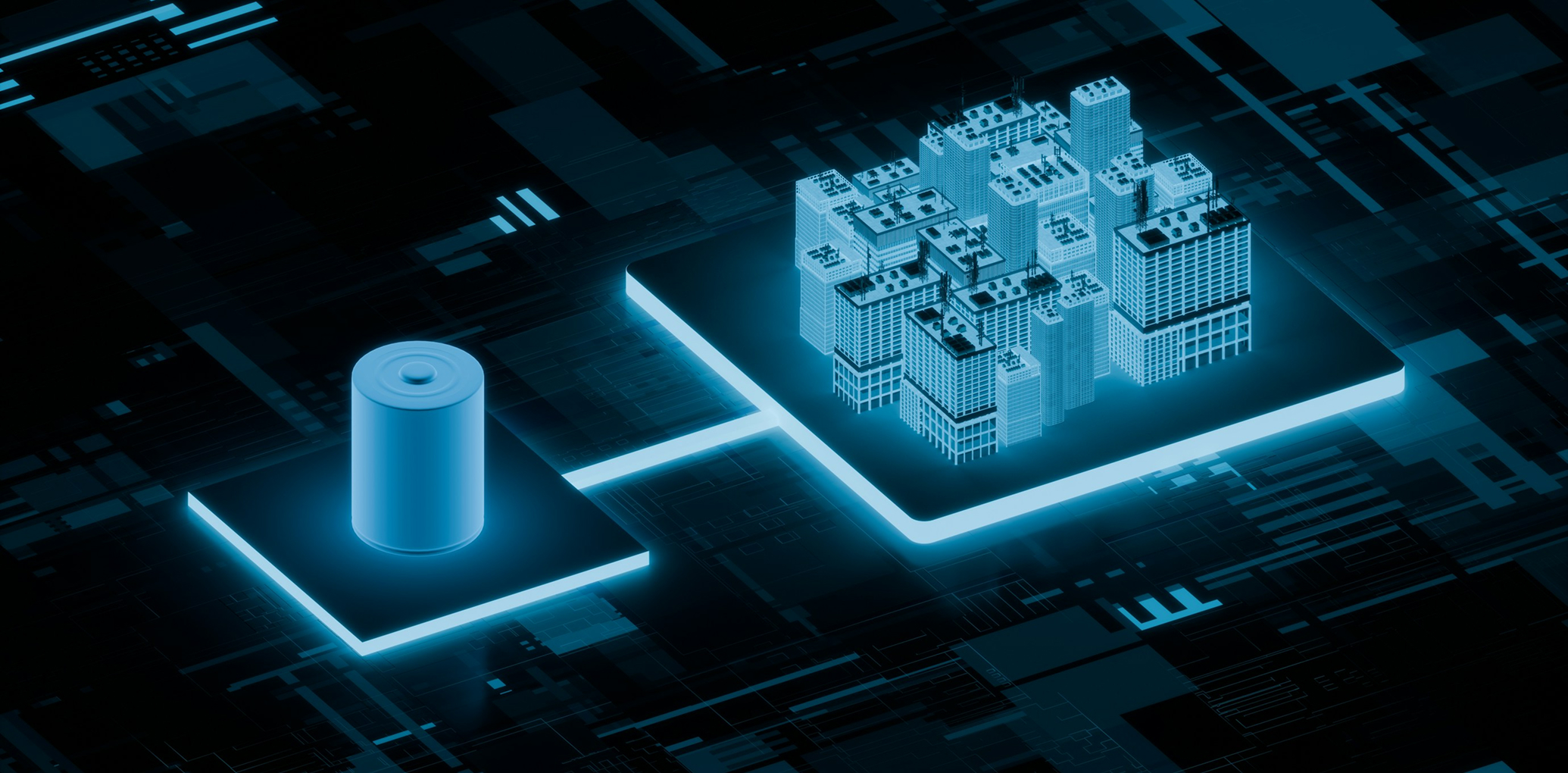
Battery storage systems capture electricity when it is available and store it for later use. That stored electricity can then be released during times of high demand, when power use increases, or when the grid needs additional support. This helps keep electricity flowing reliably to homes, businesses, and essential services.
Key Facts

Stores Energy

Captures electricity when it’s available and releases it when demand increases.

Supports Grid

Helps stabilize the electric grid during peak demand or outages.

No Fuel

Does not rely on fuel transport or combustion.

Quiet

Operates quietly and is monitored continuously.

Who can apply?

Schools

Educational programs, equipment, and student activities.

Emergency Services

Fire departments, EMS, and first responder organizations.

Youth Programs

Sports, recreation, and youth development initiatives.

Nonprofits

Community organizations serving local residents.

What Battery Storage Facilities Look Like

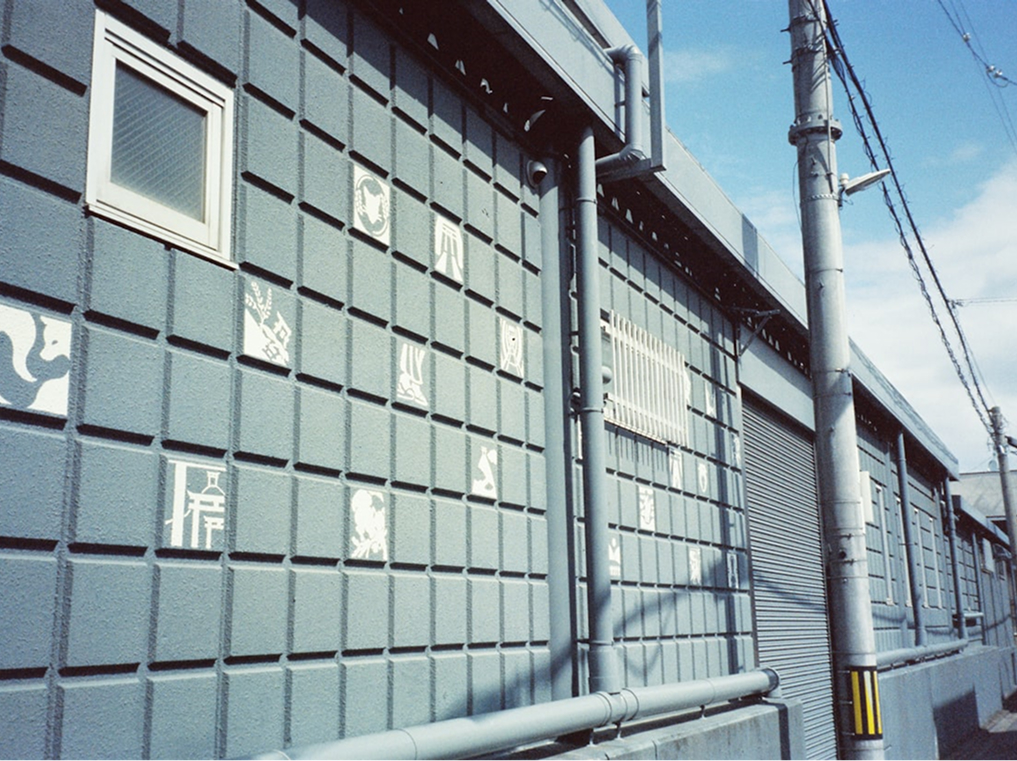
Battery storage facilities are typically made up of enclosed units that resemble shipping containers or large cabinets. Depending on the size of the project, a facility may occupy an area similar to a small athletic field or smaller industrial site.rnrnThese facilities are used across the United States in a wide range of environments, from urban areas to rural communities. Each site is designed to fit its location and comply with local requirements.

“Safety is built into every stage of a battery storage project—from design and construction to daily operation.”

— Contractor Company

Safety at Battery Storage Facilities

Safety is built into every stage of a battery storage project—from design and construction to daily operation. Battery storage systems use proven technology and must meet strict national, state, and local safety codes. At Vesper Energy, protecting workers, emergency responders, and nearby communities is a core responsibility.

Ask a Question

Battery storage facilities are regularly inspected, tested, and maintained to ensure safe performance. Equipment is certified before installation and monitored throughout its life. Safety data and response information are available to emergency responders.rnrnBattery storage technologies are widely used and are no more hazardous than other common electrical infrastructure. With proper design, monitoring, and emergency planning, battery storage facilities operate safely and reliably as part of the electric grid.

Yes! Solar panels work well in cold weather. Snow and ice are also generally not an issue – small amounts of snow are usually blown off by the wind, or snow may slide off on its own because the panels are tilted at an angle to capture the maximum amount of sunlight. Both help keep the modules clean throughout the winter season.

Solar panels generate the most power in direct sunlight, but they can also produce power using indirect or diffuse sunlight – so they still work on cloudy days, and in fact, rain helps to keep solar panels operating efficiently by keeping them clean!

The vast majority of solar panels installed in the U.S. are still within their operational lifespans. As such, cost-effective opportunities to recycle solar panels are limited. However, this is an issue the solar industry is working proactively to address, and as more solar panels reach end-of-life in the coming years, opportunities to recover and recycle the materials in solar panels will expand. Details on panel recycling can be found in the United States Environmental Protection Agency website.

During the construction period, project neighbors can expect to see a temporary increase in truck traffic to and from the site, but minimal vehicle traffic can be expected once construction is complete. Road closures are possible and appropriate notice will be provided.

Have a Question About Battery Storage?

We’re here to help. Submit a question and our team will follow up.