Have a Question About the Project?
We’re here to help. Our team is available to answer your questions and provide additional information.


BY TOPIC
Vesper Energy develops, owns, and operates utility-scale solar and battery storage projects across the United States, building reliable power infrastructure for the businesses and communities that depend on it. Headquartered in the greater Dallas area, Vesper’s team has collectively delivered more than 10 GW of renewable energy projects. Today, Vesper’s active development pipeline spans 11,000+ MW across 35+ projects in CAISO, ERCOT, MISO, PJM, SPP, and WECC. www.vesperenergy.com
We pursue projects where we have earned the trust of landowners and here in Swisher County, our partners are excited to be a part of this project that will provide numerous benefits to their local community. The landowners who entrust us with their land believe it’s the best choice for their property and their family. They believe it’s their right to choose what to harvest on their land and they’ve chosen to harvest the sun.
This project will create a new, long-term source of funding for the community, including significant benefits for area schools. The project will create jobs in Swisher County during construction and operations and may hire a variety of vendors and local services.
Nazareth Solar will preserve farmland for future generations, making this project a great option for the community and landowners who wish to keep the farm in the family.
This project will avoid consumption of water within the energy generation process, which not only supports the urgent need for water preservation in the region, and within the state, but also contributes to the long-term sustainability of Texas’ diverse and vital water systems.
By harnessing the energy of the sun, Nazareth Solar will contribute additional energy to the Texas grid, especially during periods of high demand.
No, Nazareth Solar will generate long-term tax revenue without raising taxes for residents.
During the construction period, project neighbors can expect to see a temporary increase in truck traffic to and from the site, but minimal vehicle traffic can be expected once construction is complete. Road closures are possible and appropriate notice will be provided.
Nazareth Solar leases include decommissioning requirements on leased land. Additionally, Nazareth will create an overall decommissioning plan to ensure the removal of all equipment at the end of the project’s life. Once the equipment is removed, the land can be returned to its original condition.
It is unlikely that a serious event will happen at the site. However, a comprehensive emergency management plan will be created prior to construction. This will ensure safety personnel in the community are trained and able to respond appropriately.
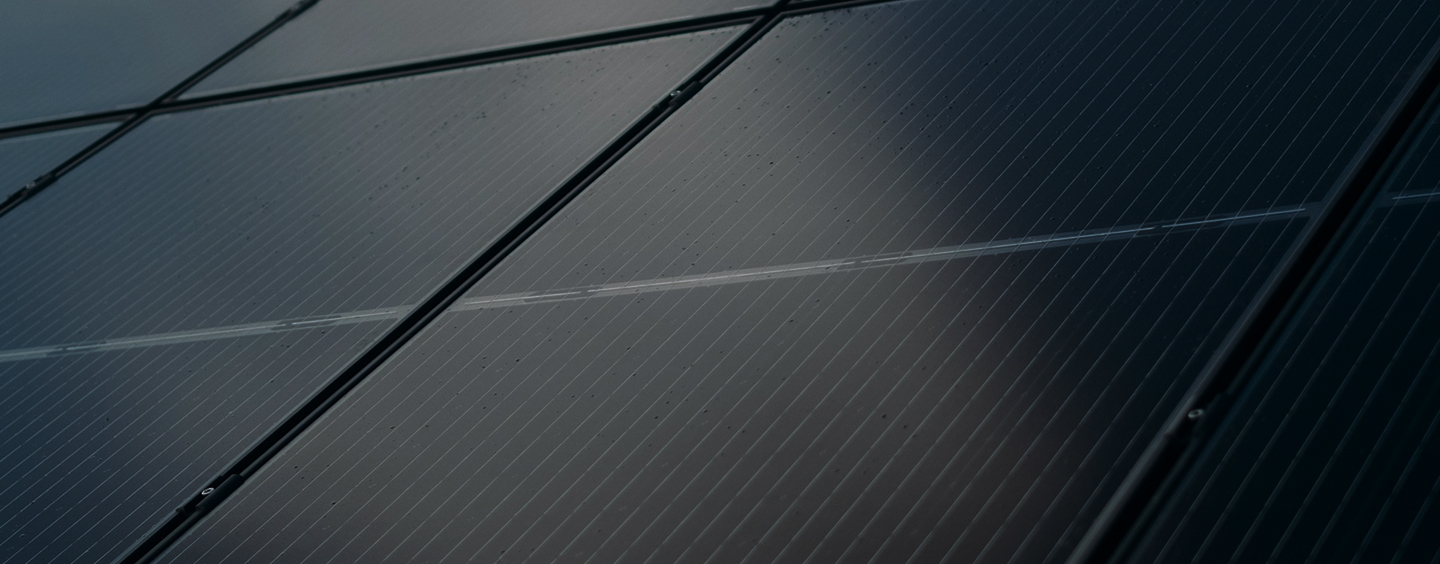
Solar panels generate the most power in direct sunlight, but they can also produce power using indirect or diffuse sunlight – so they still work on cloudy days, and in fact, rain helps to keep solar panels operating efficiently by keeping them clean!
No. Vesper Energy is committed to only using solar panels that meet or exceed environmental safety standards set by the U.S. Environmental Protection Agency. These standards ensure that during normal operations – as well as in the unlikely event a solar panel is damaged – the panels will not release any substances or materials that are considered hazardous under federal law.
Yes! Solar panels work well in cold weather. Snow and ice are also generally not an issue – small amounts of snow are usually blown off by the wind, or snow may slide off on its own because the panels are tilted at an angle to capture the maximum amount of sunlight. Both help keep the modules clean throughout the winter season.
The vast majority of solar panels installed in the U.S. are still within their operational lifespans. As such, cost-effective opportunities to recycle solar panels are limited. However, this is an issue the solar industry is working proactively to address, and as more solar panels reach end-of-life in the coming years, opportunities to recover and recycle the materials in solar panels will expand. Details on panel recycling can be found in the United States Environmental Protection Agency website.